
A simple offer
One clear agreement for the product and the data your work needs, without a suite of extras you won't open.
Unacast’s Aggregated Location Insights business is now Pine59
Read more hereOne clear agreement for the product and the data your work needs, without a suite of extras you won't open.
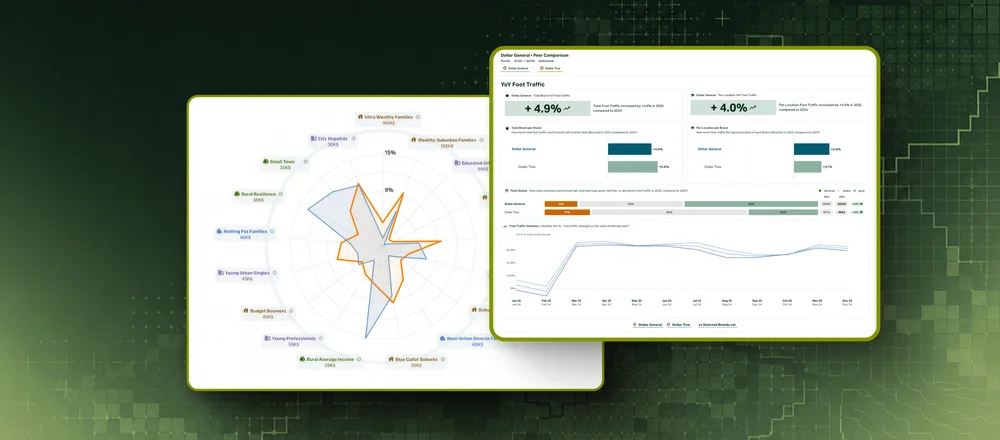
Put the numbers in client reports and in the products you sell. Your contract already covers it.
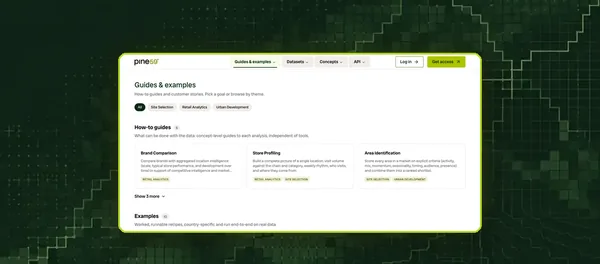
Every field, the method and worked guides on real data, public before the first call.
Open the Docs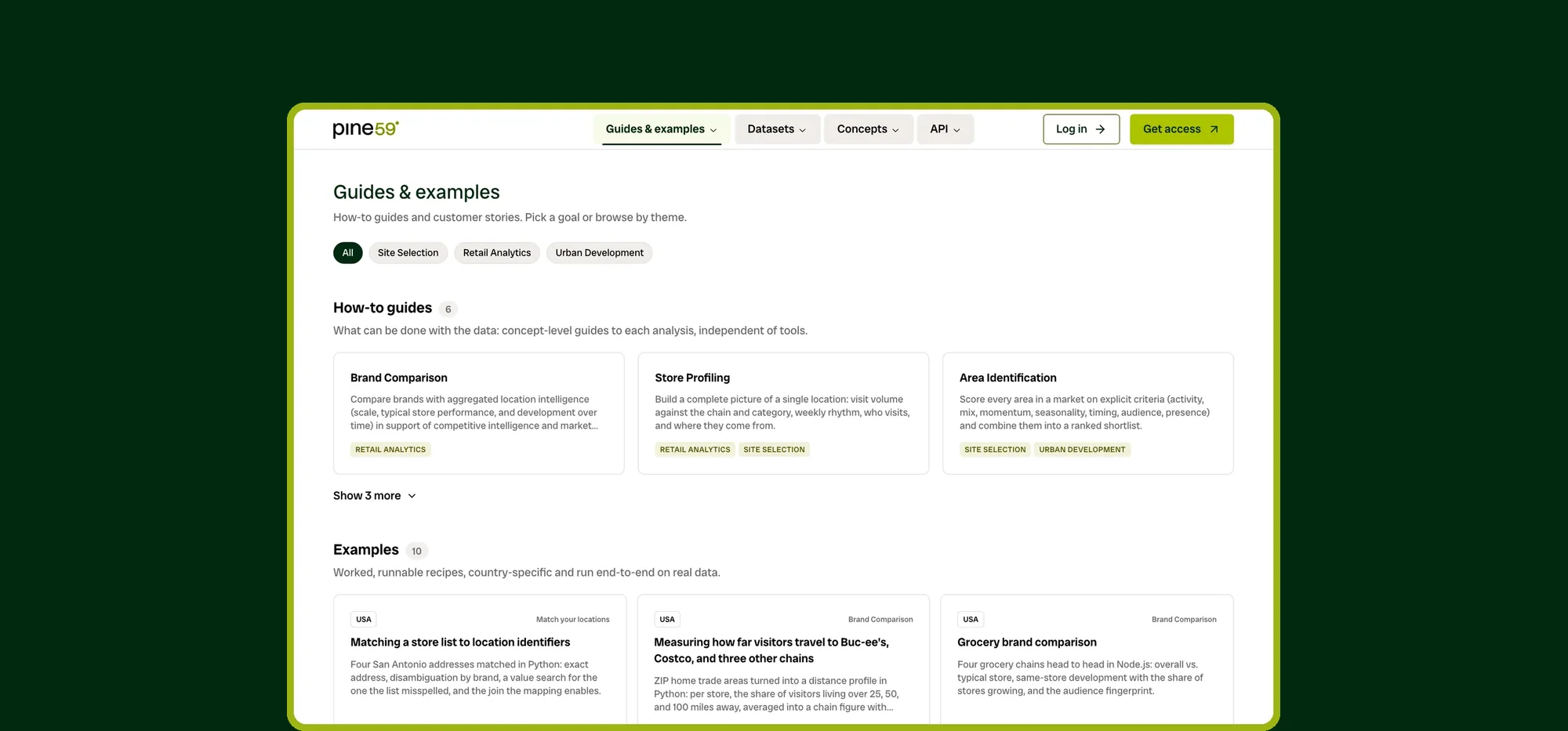
Published estimates change only with major model updates, and you hear what changed and why before it happens.
We look at it with your team and suggest how to rebuild it on Pine59 data, so you can judge the result yourself.
We walk your team through the analyses you actually run, with public guides to come back to.
Browse the guidesBring your store IDs, API calls and reports. We match your locations and work through the move with your developers.
How address matching worksThe full schema: each dataset's fields, how often it updates and how far back it goes.
Open the US catalogThe API reference: every request and the response it returns.
Open the API referenceThe method: how the observed sample is scaled up to real-world visits.
Read the methodThe privacy approach: built for statistical use, so no output can be linked to a person.
Read the approachPull foot traffic, trade areas and demographics into your own tools, notebooks and agents through an openly documented API, with a guide for working in Claude and ChatGPT.
Read the Build with AI guidePlacer.ai, Advan or anyone else: ask them before you choose your next data partner.
Yes. Contract terms allow client reports and products built on the data, and showing the numbers with credit to Pine59.
Yes. Past estimates change only with a major model update, and customers hear in advance what changed and why.
Yes. Bring a few locations you know well, and the Pine59 team suggests the best way to test them.
Yes. Foot traffic and visitor journey estimates come with a confidence score, every place is scored on how reliably its visits can be estimated, and the method behind both is public in the Docs.
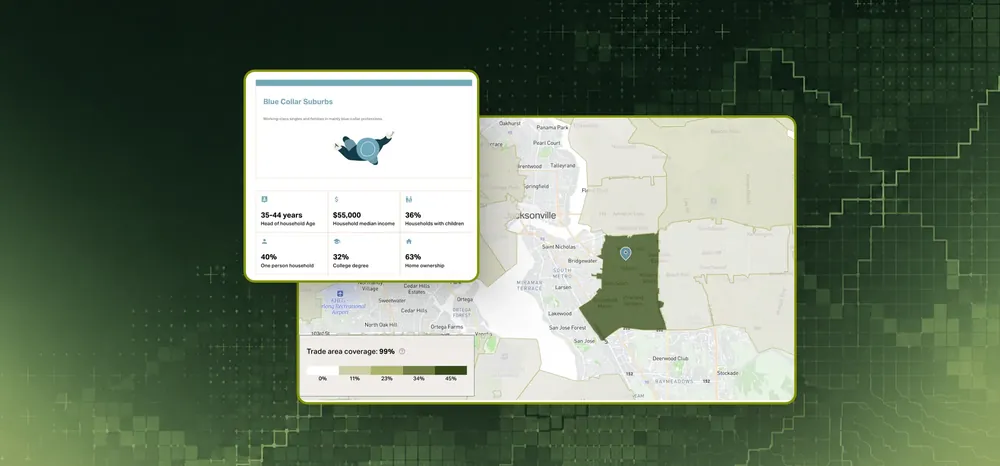
Yes, self-served. Add the area in Insights or send its shape through the API, and the data comes back without a request to us.
Not one to one. Absolute counts come from different methodologies, data sources and place outlines. Compare trends, comparisons and rankings instead, on places you already know well.
Yes, and you should. Run both on the same places, compare the trends and rankings side by side, then decide.
Tell us your use case and the locations that matter. After a short call, we suggest the best way to test those locations before you decide anything.

Share them, and we'll suggest the best way to test them before you decide.