

September 8, 2026
Location data vs. location intelligence (and aggregated vs. device-level)
Four terms that get used interchangeably but mean different things, and the difference matters when you are choosing what location data you actually need.

Kjartan Slette · Co-founder, Pine59
Location data, location intelligence, device-level data and aggregated data are often used interchangeably, but they often describe different things. The differences matter, particularly when deciding what kind of location data your company actually needs and how much responsibility you want to take on for handling it.
At Pine59, we've chosen to describe what we provide as Aggregated Location Intelligence.
Our products are built from first-party location data that is aggregated at the source before it reaches Pine59, meaning neither we nor our customers receive the underlying raw device-level data.
This lets us build intelligence about how places and populations move, change and perform, without needing individual device records.
Here's how we think about the distinction.
Aggregated vs. device-level: the most important difference
If you're choosing a location intelligence provider, one of the first questions to ask is whether you actually need device-level data.
Device-level location datasets contain observations associated with individual devices or persistent identifiers. That doesn't necessarily mean the identity of the person carrying the device is known, but it does mean individual devices can potentially be distinguished across observations.
For some applications, that level of granularity is necessary. For many common business questions, it isn't. It can also introduce additional privacy considerations because your organization is handling data associated with individual devices, even when those devices aren't directly linked to named individuals.
If you want to know how many people visited a store, whether traffic is increasing, where visitors come from, how a location performs against competitors or who is visiting the area, you're generally interested in patterns across groups of people rather than the movements of individual devices.
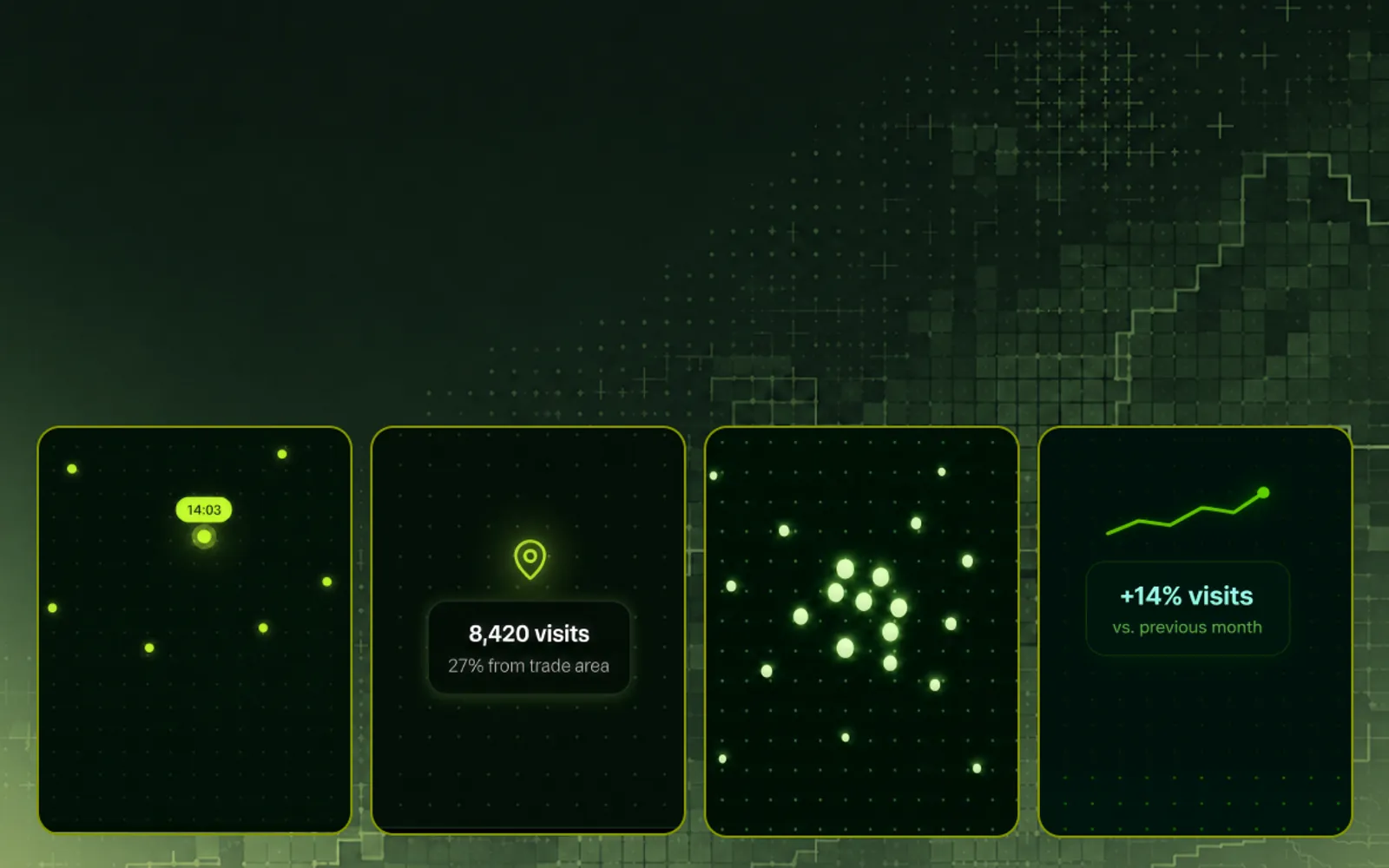
Aggregated data changes the unit of analysis. Instead of receiving an observation such as "Device X was observed at Location Y at 14:03," you might receive "Location Y had an estimated 8,420 visits during 8th of August" or "27% of visitors came from this trade area."
The underlying signals have been turned into statistics about places and populations. For organizations that don't need device-level information, this can provide the intelligence they need while reducing the privacy, governance and security considerations that come with receiving and handling more granular location data. It also makes the data easier to use, since volume increases materially once you are looking at every device and all of its observations across a day.
Individual observations
8,420 visits
27% from trade area
Aggregated intelligence
Why we call it Aggregated Location Intelligence
"Location intelligence" has become a broad category that can describe everything from foot traffic analytics and maps to products containing device-level observations. That's why Pine59 adds the word Aggregated.
Aggregated Location Intelligence is location intelligence delivered as aggregated statistics about places and populations rather than individual device-level observations.
Pine59 builds its products from pre-aggregated first-party data. The original data is collected by our data partners through their own direct relationships, systems or infrastructure, and is aggregated before being provided to Pine59. We then transform that aggregated data into products that help customers understand places and populations.
The distinction is important: neither Pine59 nor our customers receive the underlying device-level location data.
For companies that want to understand the physical world without needing individual device records, we think that's a fundamentally different way to build location intelligence.
Why does pre-aggregated data matter?
An organization that needs location intelligence could acquire granular device-level data and build the infrastructure and methodology required to turn it into useful statistics. Doing so also means dealing with the privacy, security, governance, retention and regulatory considerations associated with handling granular location data.
Pine59 starts further downstream.
Our data partners aggregate their first-party data before it reaches us, and it also opens up data sources that are not available in the third-party device-level ecosystem. Pine59 then applies its technology, methodology and models to turn those aggregated inputs into useful location intelligence.
This means customers can focus on questions around store performance, market potential, trade areas, consumer behavior and competitive trends without Pine59 or the customer needing to take possession of the underlying device-level data.
“For many use cases, you need the intelligence created from the underlying data, not the individual observations themselves.”
What can Aggregated Location Intelligence tell you?
Aggregated Location Intelligence can be used to understand foot traffic and visitation trends, trade areas, visitor demographics and profiles, competitive performance, movement between places, population changes and mobility patterns.
A retailer might want to understand why one store is outperforming another. A real estate company might evaluate the trade area around a potential site. A consultancy might compare markets for a client, while a technology company might incorporate visitation trends into its own product.
These are different use cases, but they have something important in common: the questions are about places and populations, not individual devices.
Location data vs. location intelligence
There's a second distinction worth understanding.
Location data is the underlying observation, such as a signal indicating that a device was observed at a particular latitude and longitude at a particular time. Individual observations don't tell you very much, but large volumes of them can be processed and modeled to reveal patterns.
Location intelligence is the useful information produced from those patterns.
A collection of location signals around a shopping center is location data. An estimate showing that visits to the shopping center increased 14% compared with the previous month is location intelligence.
Location data
+14% visits
vs. previous month
Location intelligence
“Location data is the raw material. Location intelligence is what you can learn from it.”
And what does first-party mean?
First-party describes where the original data comes from, while aggregated describes the form in which Pine59 receives and uses it.
First-party data is collected directly by an organization through its own relationships, systems or infrastructure. A retailer's transaction data can be first-party data, as can a telecom operator's network data or data generated through an app or service.
Pine59's model combines these concepts: our products are built from first-party data that has already been aggregated before it reaches us.
A telecom operator, for example, can generate valuable insights from its own network data, aggregate those insights within its own environment, and provide Pine59 with aggregated data rather than the underlying device-level records. Pine59 can then turn those inputs into standardized Aggregated Location Intelligence products.
So the terminology describes different parts of the process: first-party describes where the original data comes from, device-level versus aggregated describes its granularity, and location intelligence describes the useful information created from it.
Which do you actually need?
There is no universal answer. If your use case genuinely requires individual device-level observations, an aggregated product may not provide the granularity you need.
But more granular doesn't automatically mean better. It also brings additional infrastructure, governance and responsibility, so a useful question when choosing a provider is:
What's the least amount of data I need to reliably answer the question?
If you're trying to understand patterns about places and populations rather than individual devices, you may not need device-level location data at all.
That's the space Pine59 is built for: Aggregated Location Intelligence, built from pre-aggregated first-party data, without Pine59 or its customers receiving the underlying device-level location data.


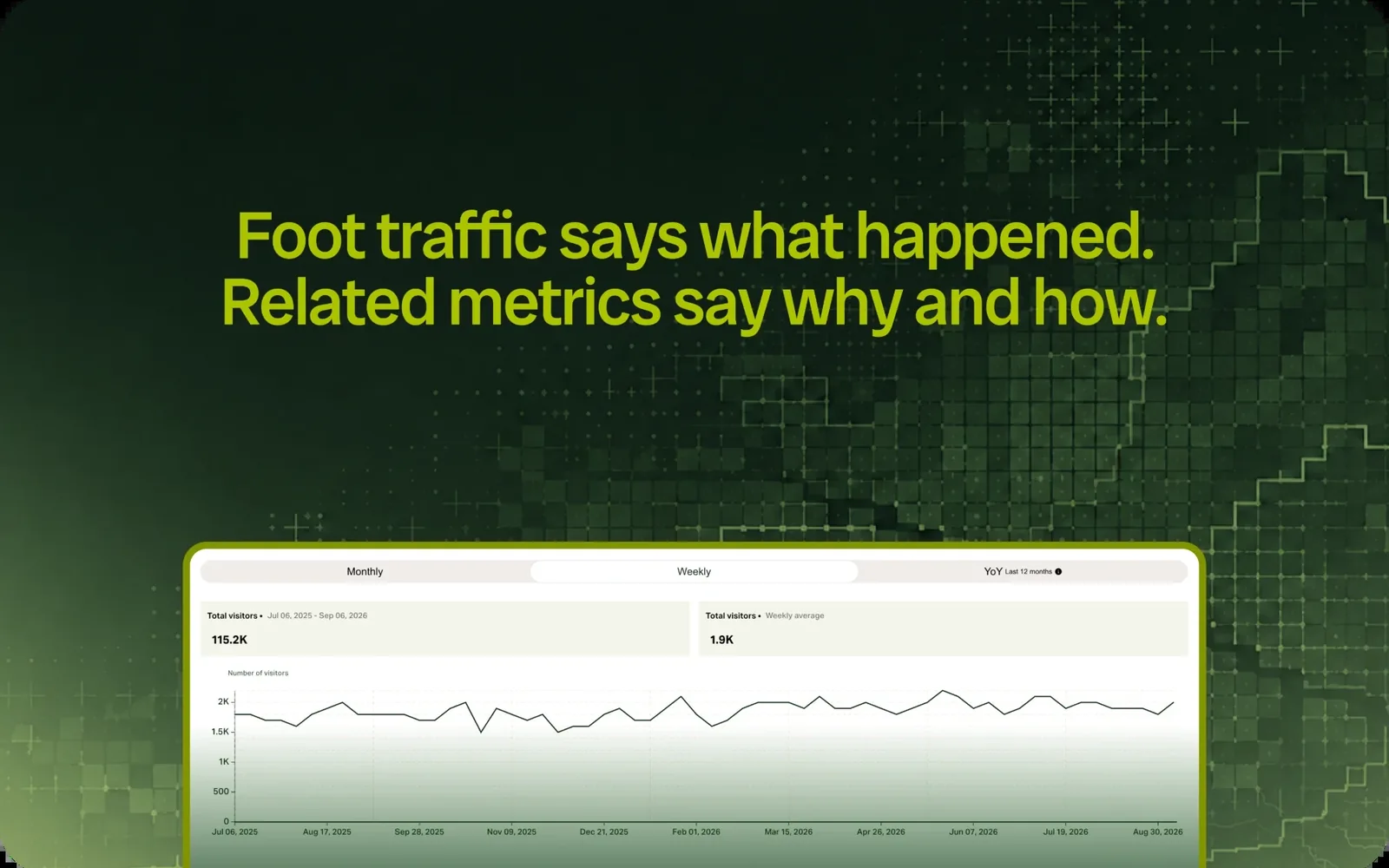

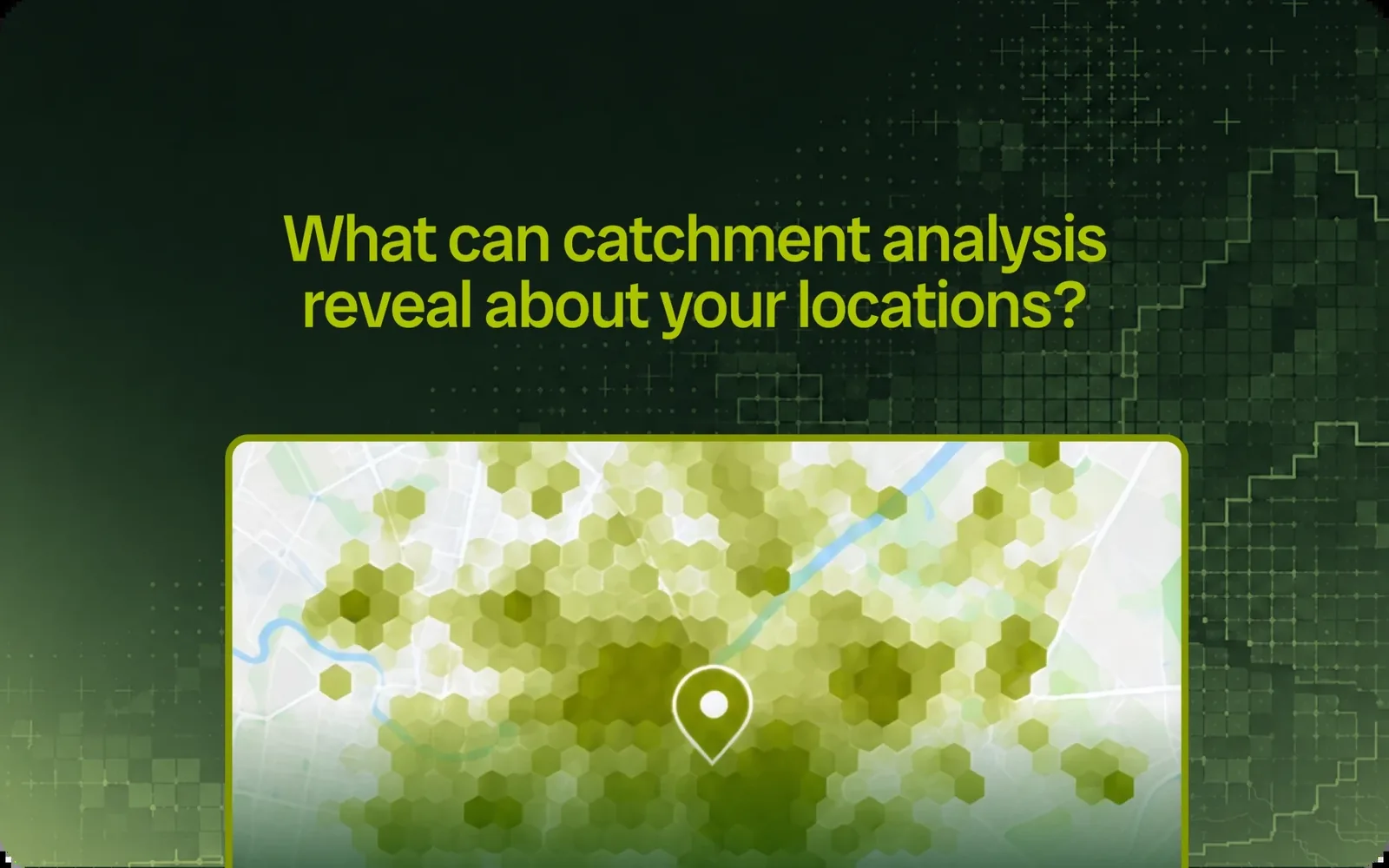


Turn aggregated location intelligence into competitive advantage
Discover how Pine59 can power your analytics, products and AI with statistical insights about places and populations.